
Skip to content
Home

Cantine Povero

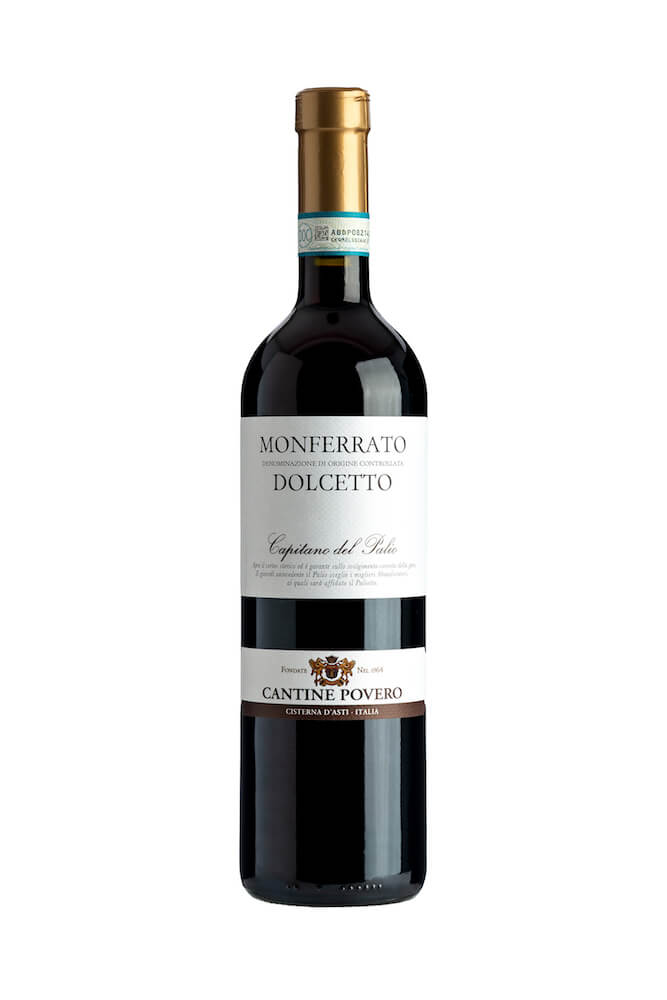
Cantine Povero Capitano del Palio Monferrato Dolcetto

Appellation

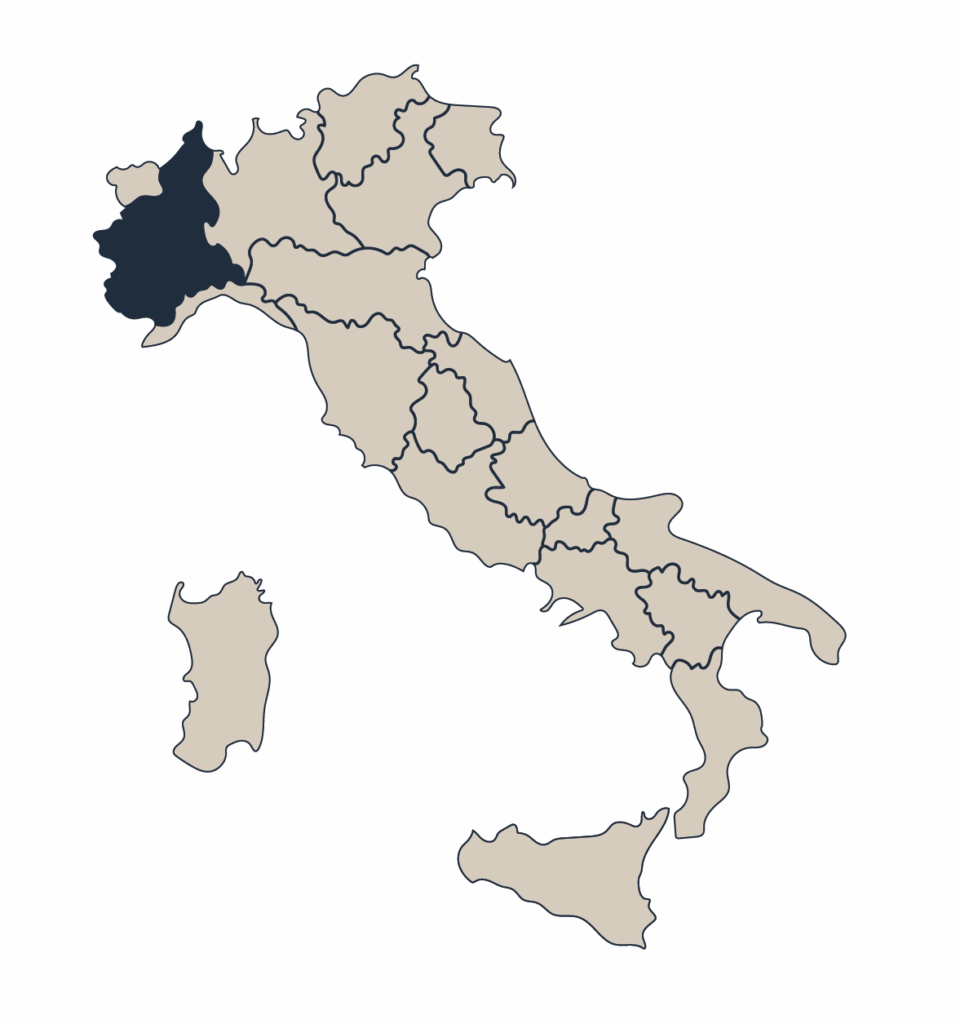
Monferrato DOC

Varietal

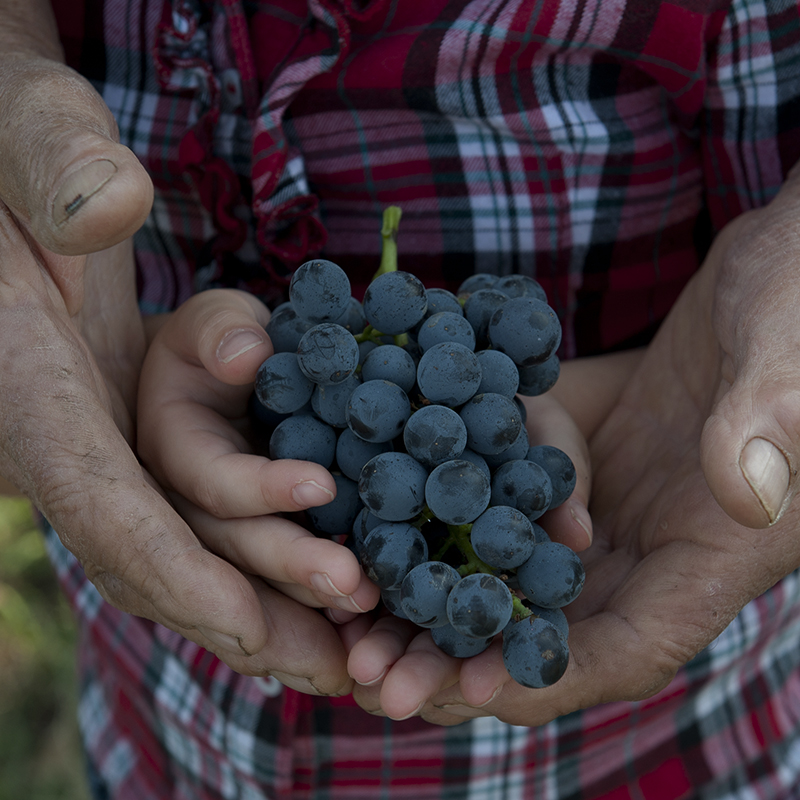
100% Dolcetto

ABV

13

Philosophy

Organic farming

Cantine Povero Cantine Povero Capitano del Palio Monferrato Dolcetto
Cantine Povero Capitano del Palio Monferrato Dolcetto

Tasting Notes

Ruby red with violet reflections, it opens on the nose with delicate, fruity notes of red berries, cherry, and violet. On the palate, it is velvety, with gentle tannins and a pleasantly dry finish.

Cultivation

Manually harvested.

Vinification

Fermentation in stainless steel, temperature-controlled tanks at 26°C over 6/8 days. Malolactic fermentation at 20°C.

Aging

Aged for 6 months in stainless steel. Cross-flow filtration.

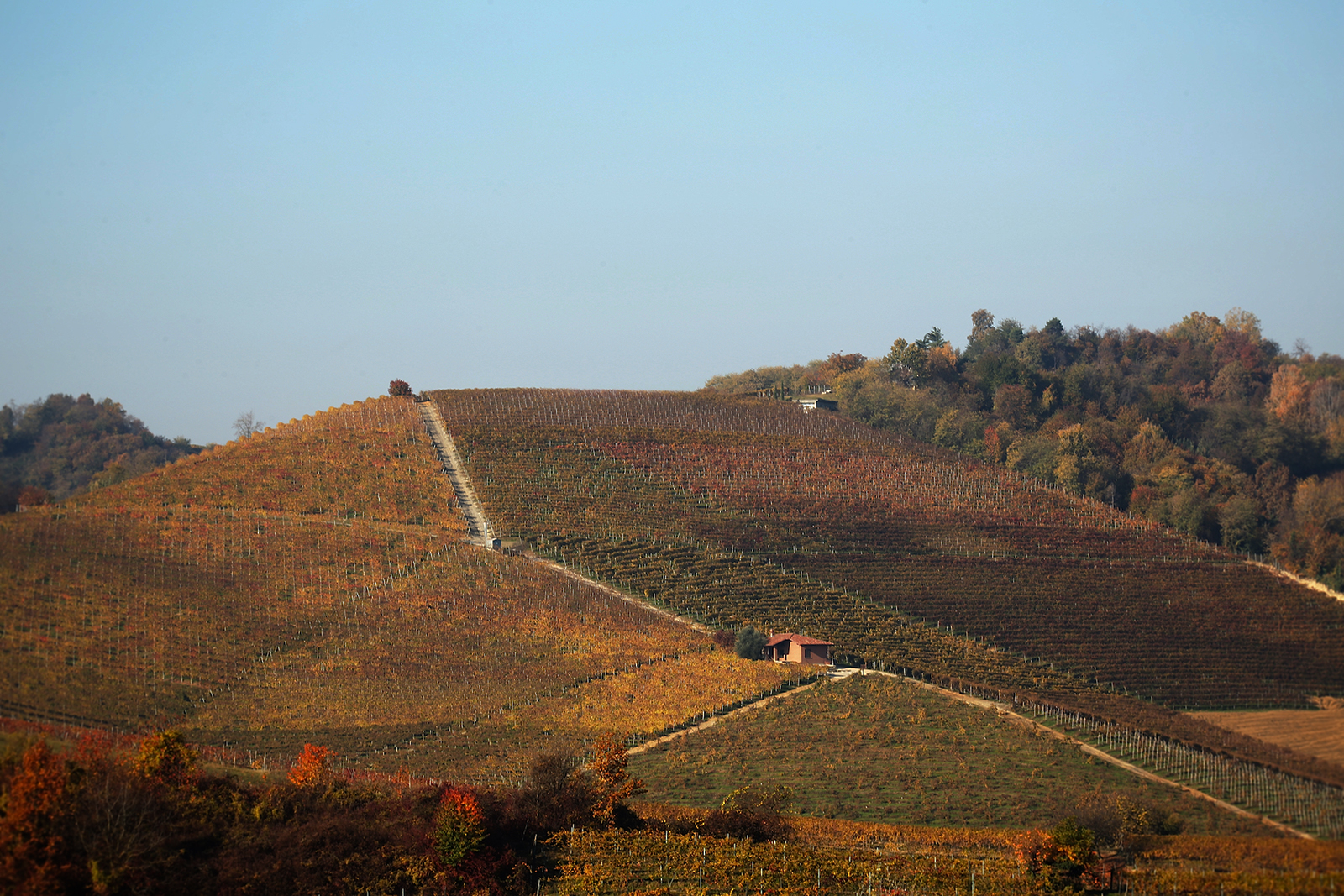
Four generations of Povero family wisdom unite to create a beautifully unstoppable force in the heart of Piedmont. Since 1837 the Povero family has inhabited the land in Cisterna d’Asti and, beginning with the first vine plantings in Canale d’Alba, they have slowly and strategically purchased and cultivated vineyards in all three of the Roero, Langhe, and Monferrato appellations. Their 50 hectares of vineyards sit around 320 meters in elevation and bask in the direct northern Italian sun. Their prime location in Cisterna d’Asti affords them a unique versatility in producing an exciting range of wines. Cantine Povero is undoubtedly a family affair, started in 1964 by Giovanni and Michelino Povero and currently managed by Alessio Povero, he is the third generation to run the estate, aided by siblings.

Grandfather Tumlin planted the first vines in the '40s and it feels as though he still lives through them today. His children, grandchildren, and now great-grandchildren feel his wisdom, traditions, and lessons every day, even as Cantine Povero adopts modern technologies in their winemaking. They hold firmly to classical roots though, specifically in their rigorous adherence to natural, environmentally friendly technologies and winemaking techniques. Among the many lessons of Grandfather Tumlin was the emphasis on humble respect for the land--Alessio, his siblings, and his children all understand the importance of a firm but patient hand when cultivating their vineyards. They believe in “responsible intervention, which one has for something or someone that is thoroughly loved.”