Le Colture Valdobbiadene Prosecco
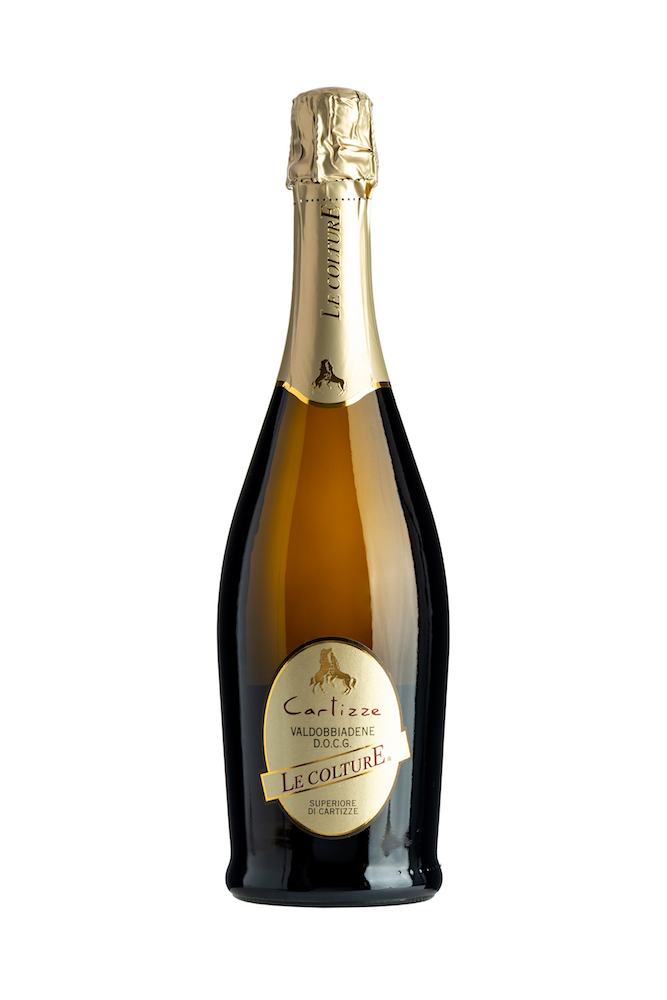
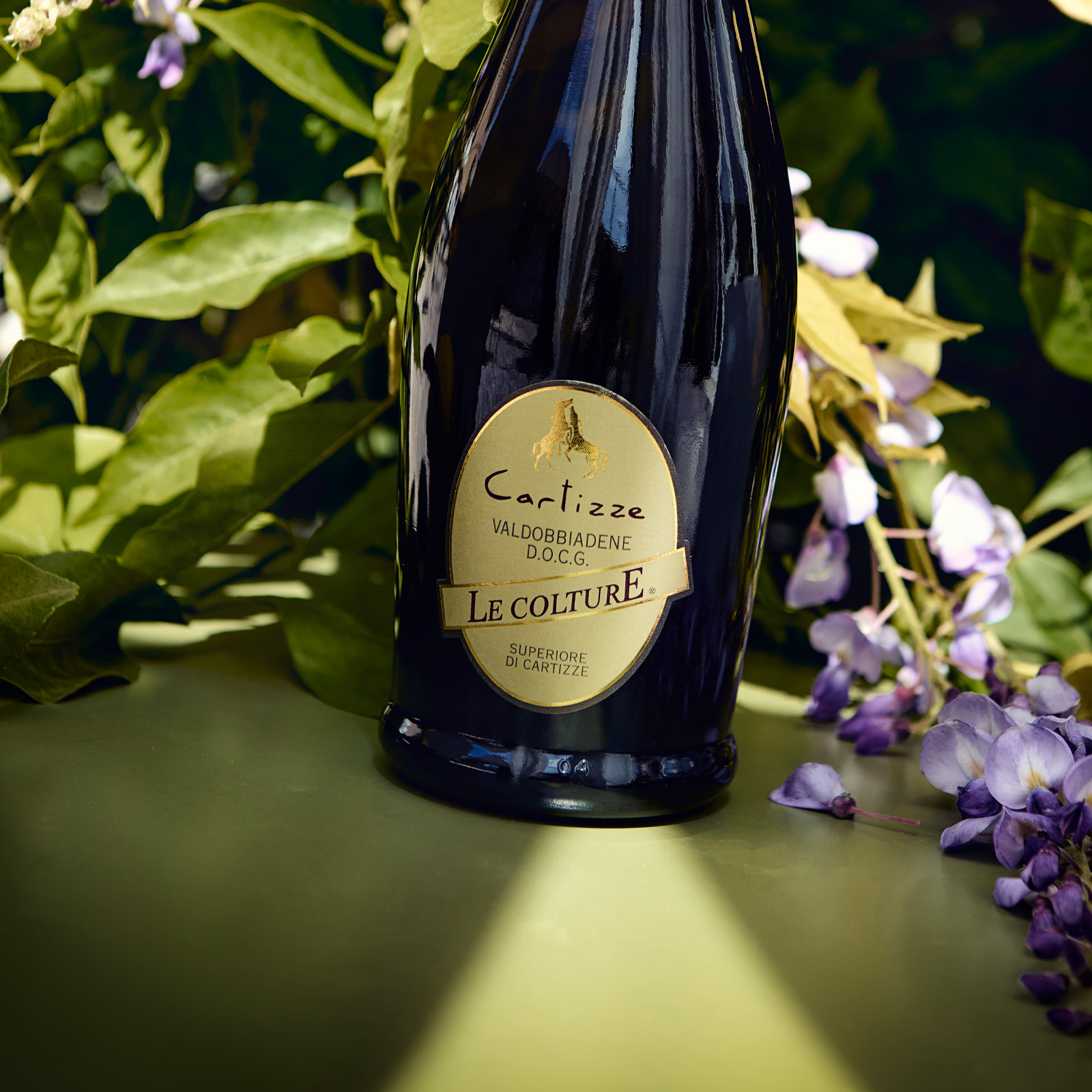
Le Colture Valdobbiadene D.O.C.G. Prosecco Superiore Dry Cartizze
Valdobbiadene DOCG Cartizze
100% Glera
11.5
Sustainable with the certification of SQNPI, organic fertilizer
Tasting Notes
This wine has an appearance of bright straw yellow with fine perlage. Its nose is floral and fruity with mango, pear, melon, and sage. On the palate, it is lively and creamy, with fresh citrus and mineral notes balancing gentle sweetness and pastry hints, finishing with sweet almond and finesse.
Cultivation
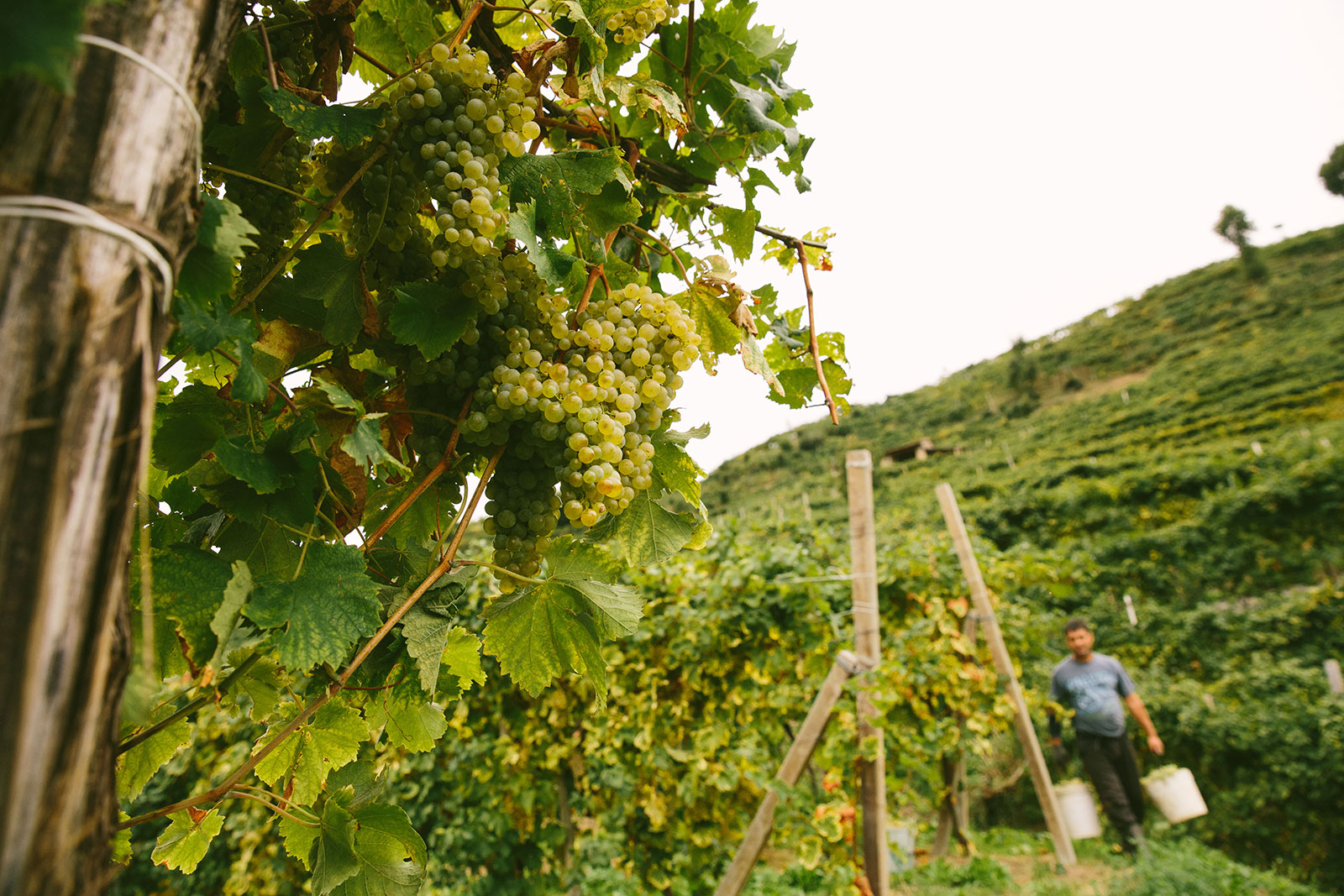
Hand harvested the first and second weeks of September.
Vinification
The first vinification takes place in stainless steel tanks, followed by a second fermentation in autoclave using the Martinotti (Charmat) method. The wine remains in contact with the lees for 90 days, using selected yeasts to enhance texture and aromatic complexity.
92
91
90
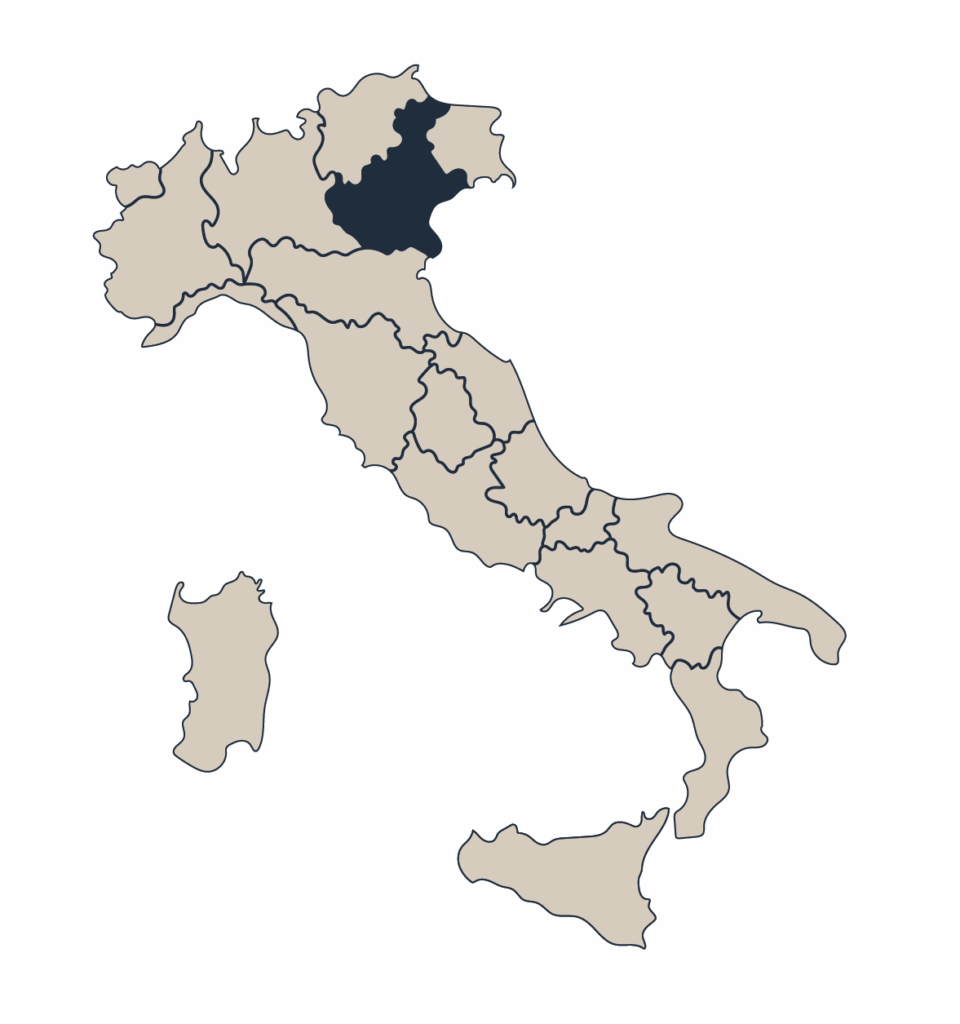
Le Colture is located in Santo Stefano, near Valdobbiadene, in the heart of the Prosecco Superiore hills. The winery was founded in 1983 by Cesare Ruggeri with the goal of producing sparkling wine from the grapes his father, Gerardo, had long cultivated with dedication and passion.
Starting with just a small parcel of land, the estate has grown to nearly 40 hectares and now produces approximately 800,000 bottles annually. Cesare Ruggeri brings decades of expertise to the winery,
combining deep technical knowledge with time-honored production secrets. Today, he is supported by a close-knit and dynamic family team, with each member actively contributing to every stage of the
production process.
The winery is also managed by Cesare’s children — Veronica, Alberto, and Silvia — who oversee administration and export activities, bringing renewed energy, international vision, and a modern
entrepreneurial spirit to the company.
Le Colture exclusively employs the Charmat (tank) method for producing its sparkling wines, preserving the freshness, elegance, and aromatic character of the Glera grape. This white variety is grown predominantly in the prestigious Valdobbiadene DOCG appellation.
Rooted in a strong connection to the land, Le Colture approaches each vintage with care and sensitivity, crafting crisp, expressive, and highly drinkable wines that honor local traditions while highlighting the
natural character of the territory.